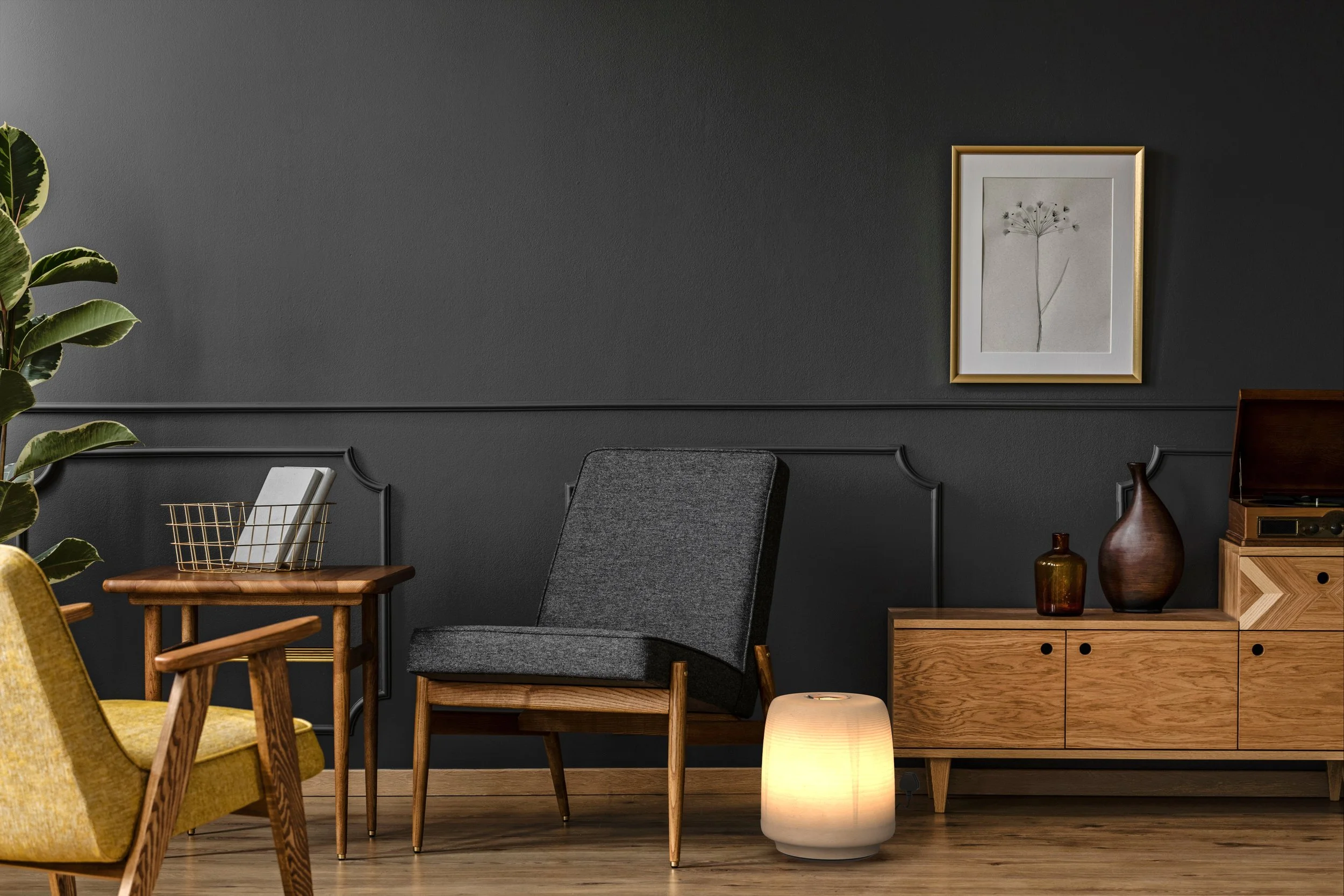
In collaboration with Habitat, the project wanted a homeware product tailored to the demands and needs of the home rental market.
Habitat X SHU.
Project Level: Level 6.
Length of Project: 4 months.
Year: 2025.
Bright ideas.
A comprehensive research phase into all things Habitat, the current rental market as well as existing product and trend analysis defined lighting as a strong subject direction.
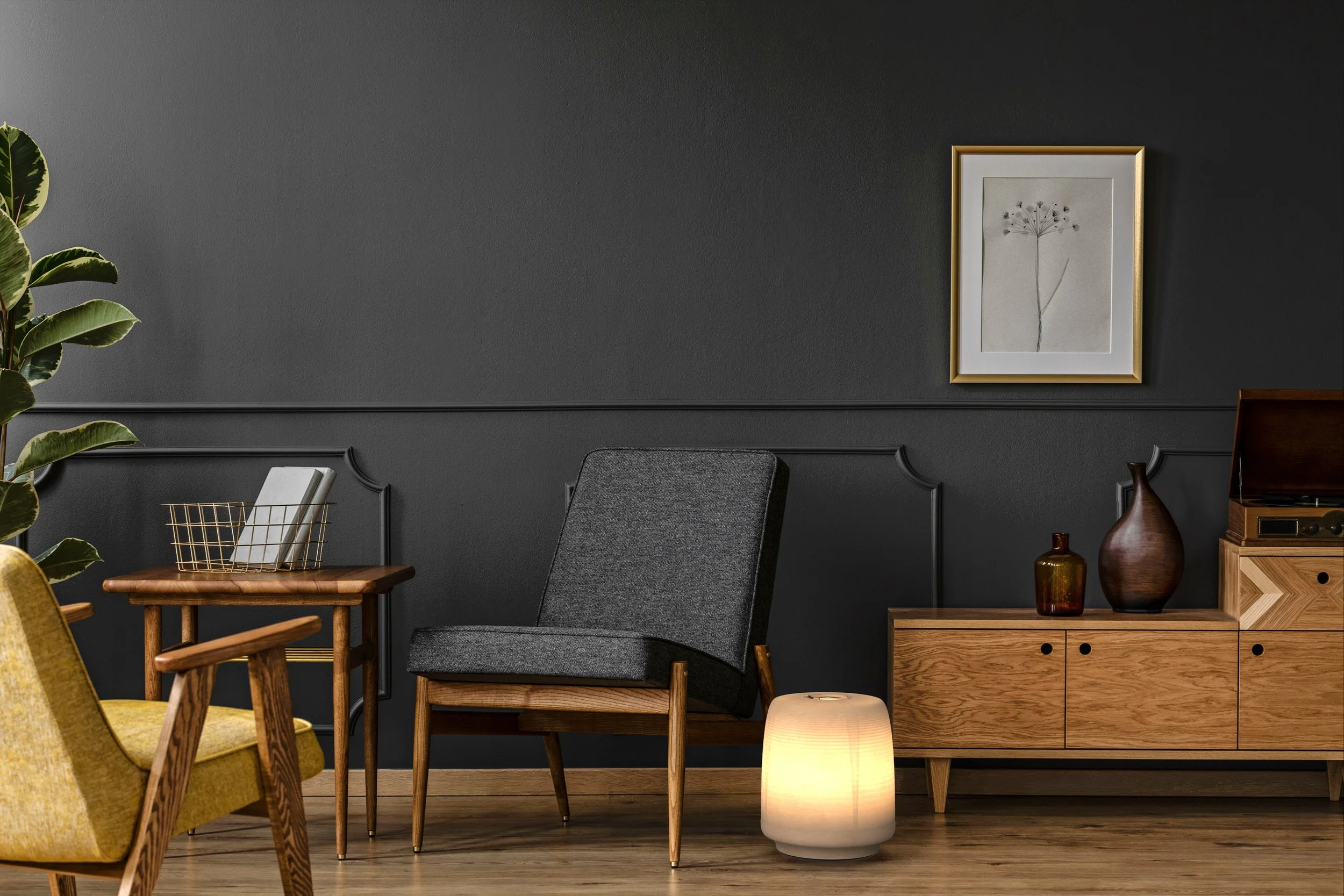
A recurring theme throughout my research was rental housings ability to feel cold harsh environments. The use of warm lighting staggered throughout an environment transforms a space to be a warm and welcoming atmosphere to call home.
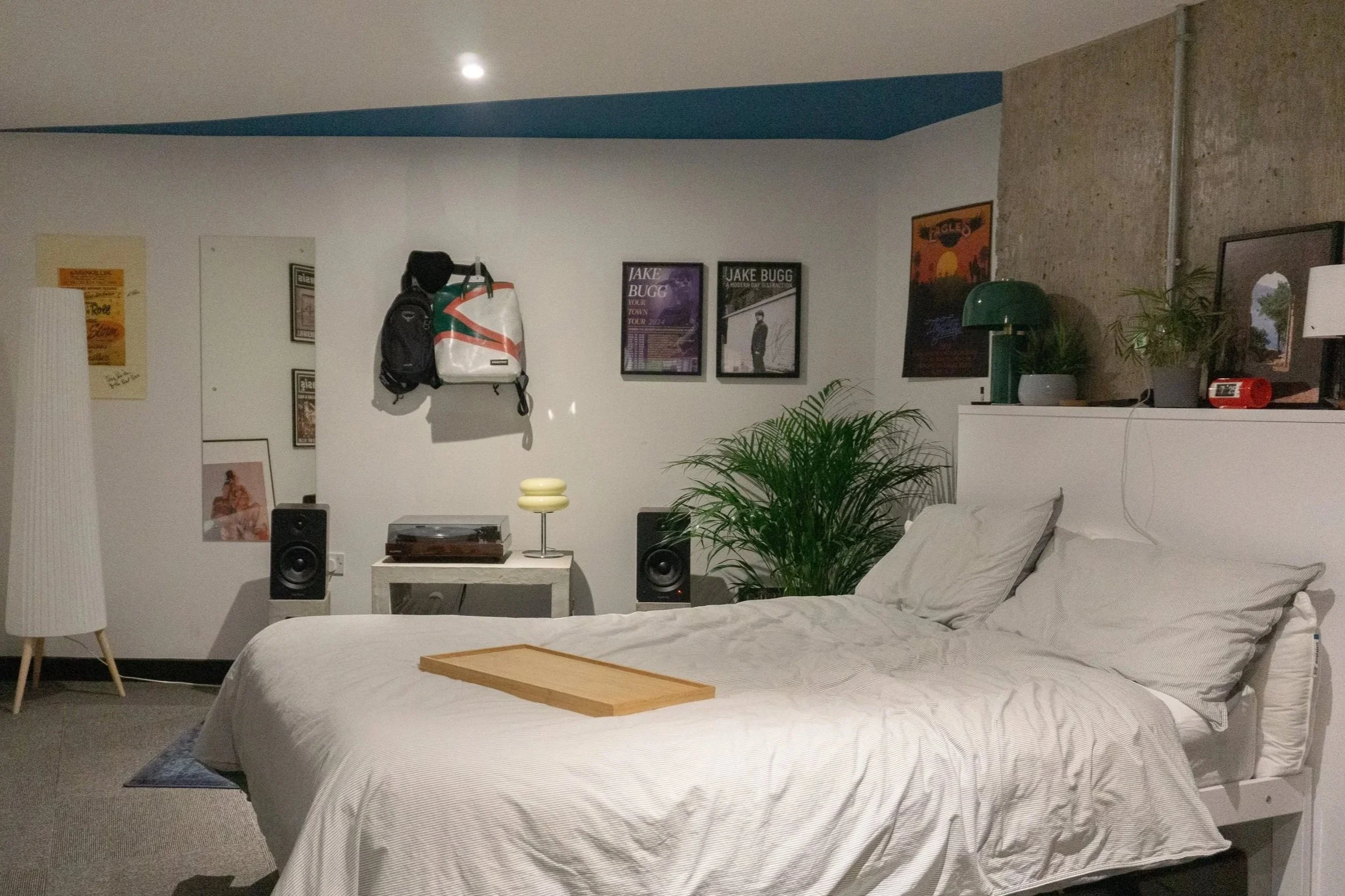
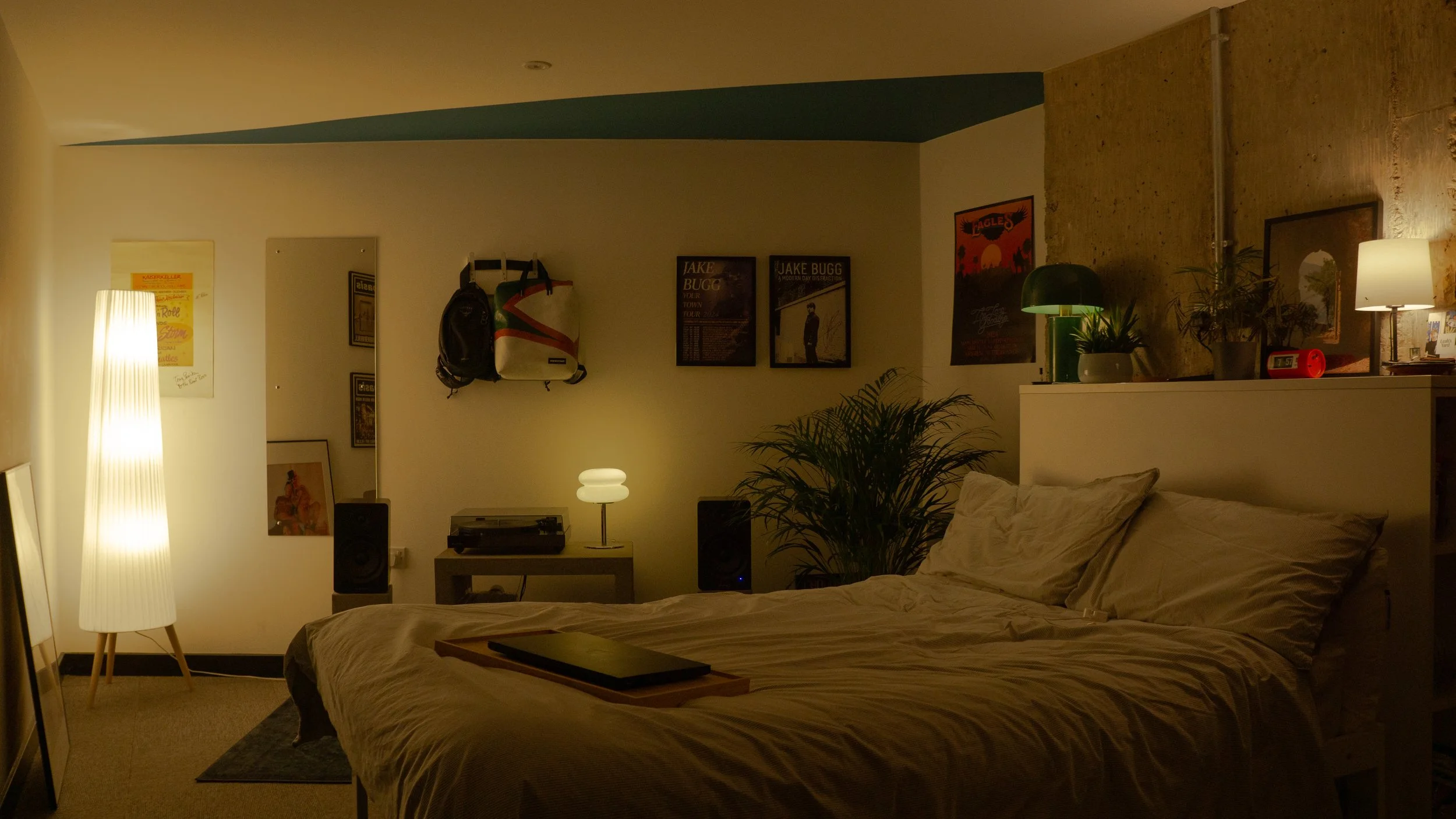
Opportunity for innovation.
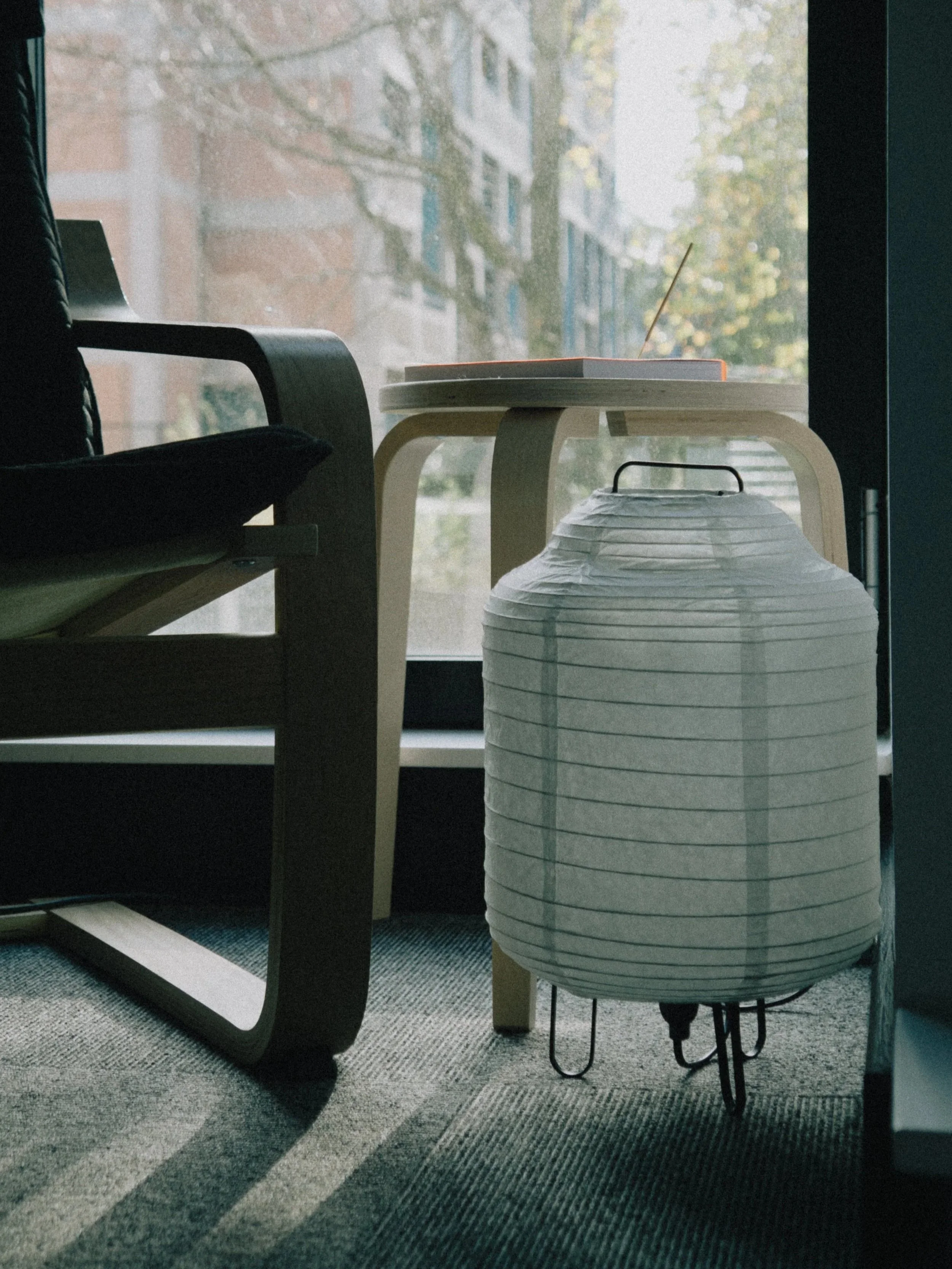
Japanese lighting became a key visual influence throughout my homeware trend research. While paper lighting offered excellent light diffusion and a strong design language, durability remained a common issue. In response, I developed simple concepts that could incorporate a durable paper compound to improve longevity without compromising performance.
When pitched to Habitat, the concepts were praised for elevating a simple material, with the sake keg-inspired design noted for its playful character and strong response to research insights.
James Cropper.
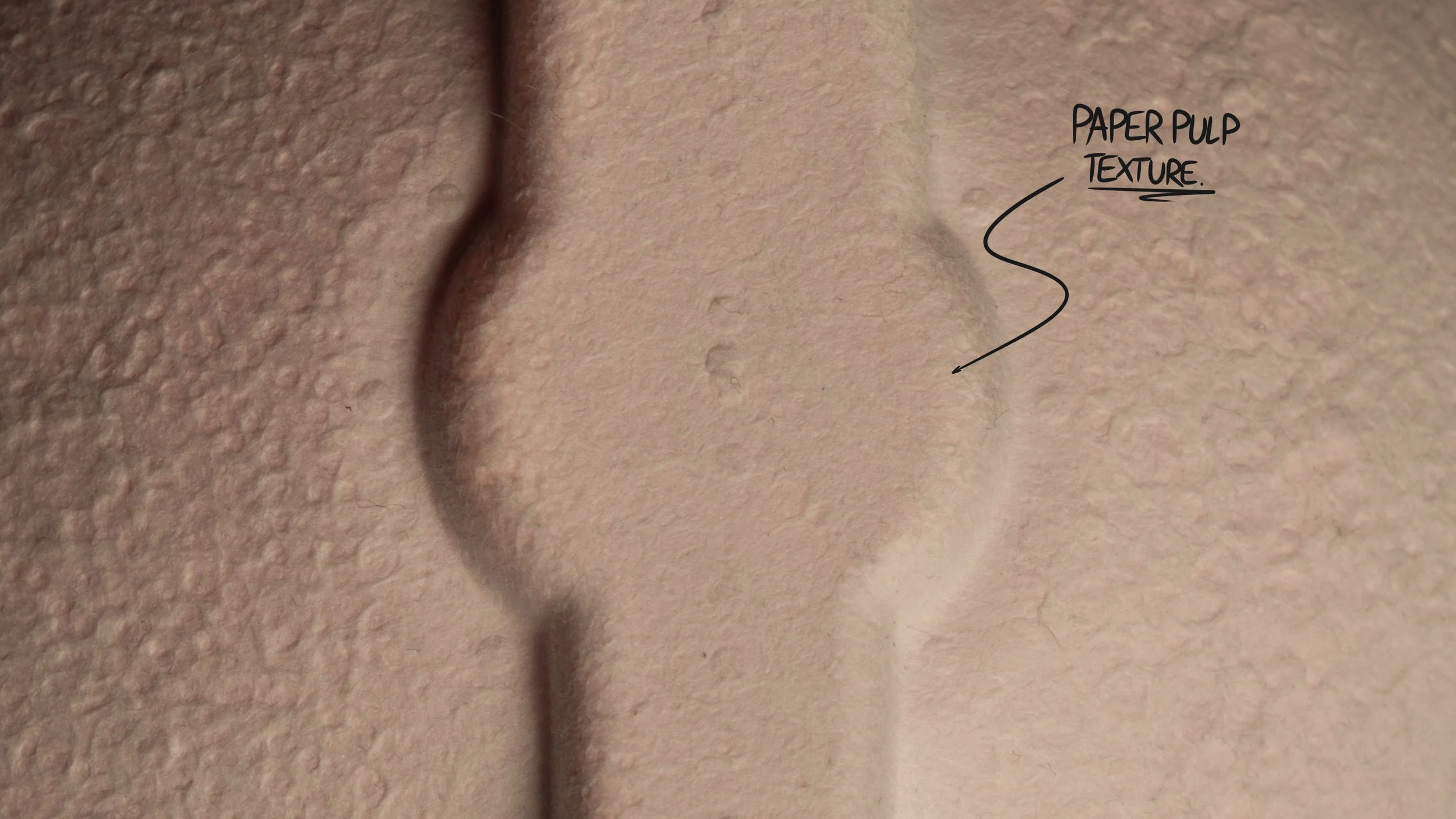
Research into durable paper alternatives led to discussions with material specialists at James Cropper. These insights identified a paper pulp mix as the ideal solution, offering both the durability and light diffusion required to replicate Japanese paper lighting.
Design Development for Production.
From exploring form and function to design for manufacture, the development phase was a huge part of moving the product forward.
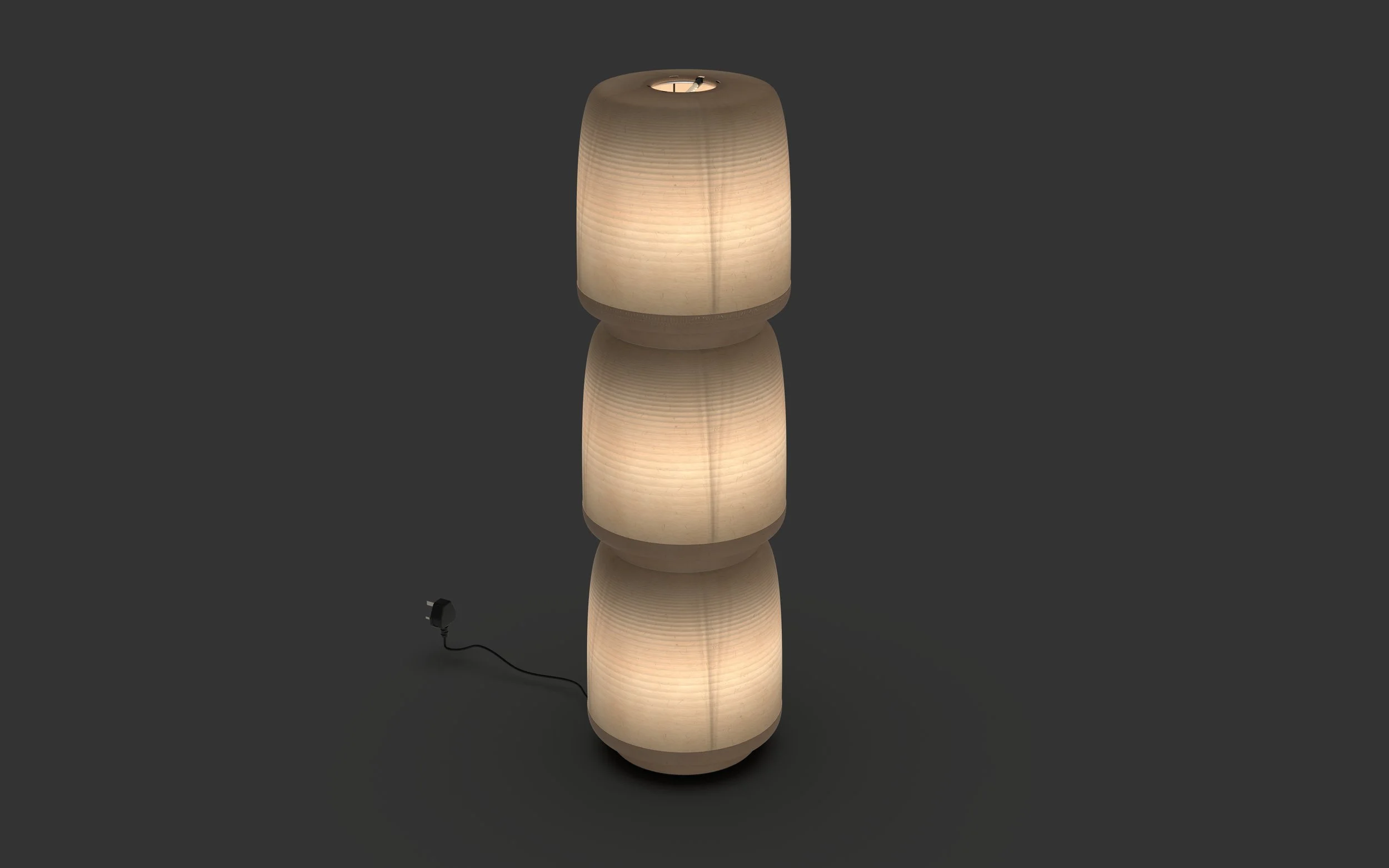
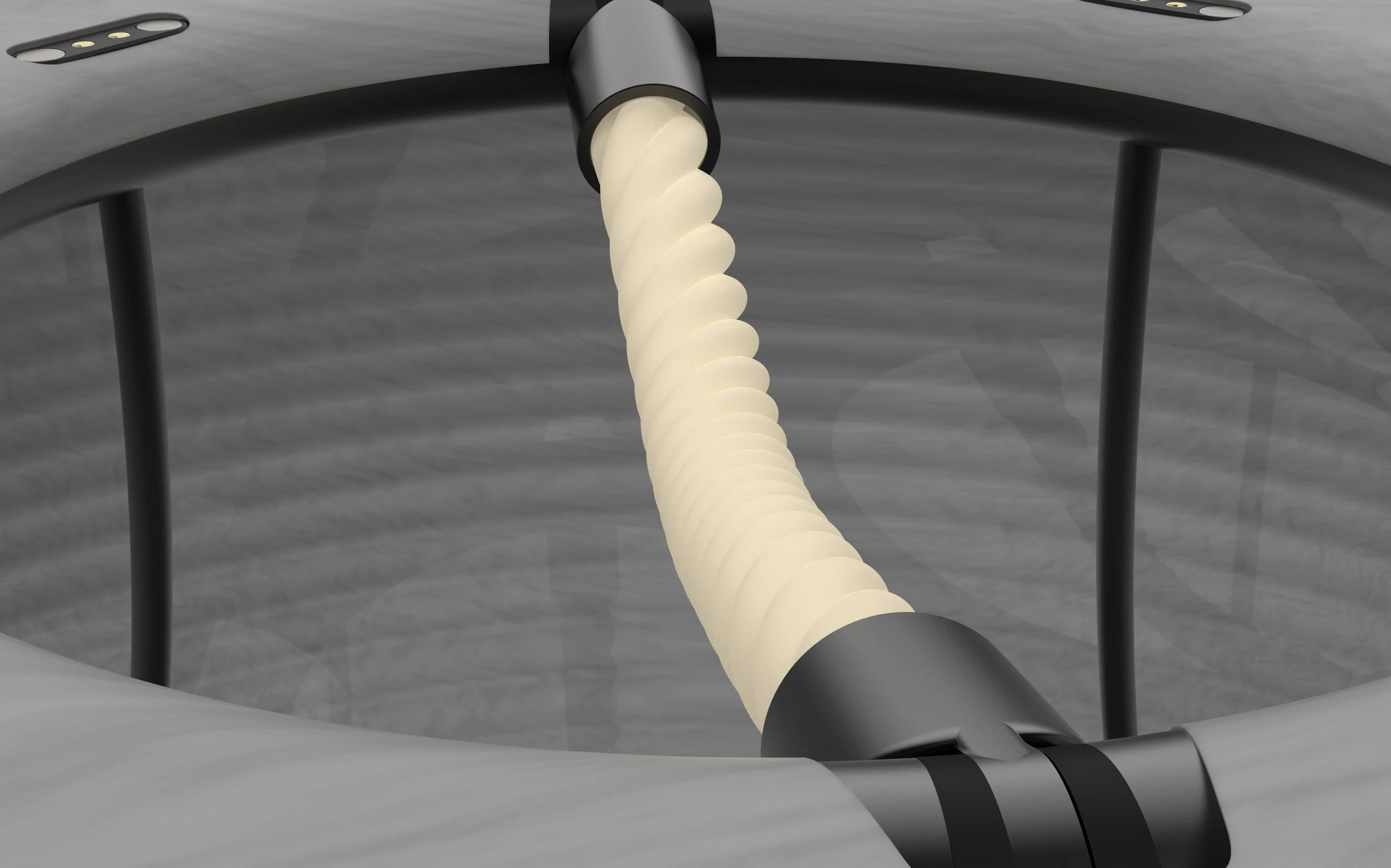
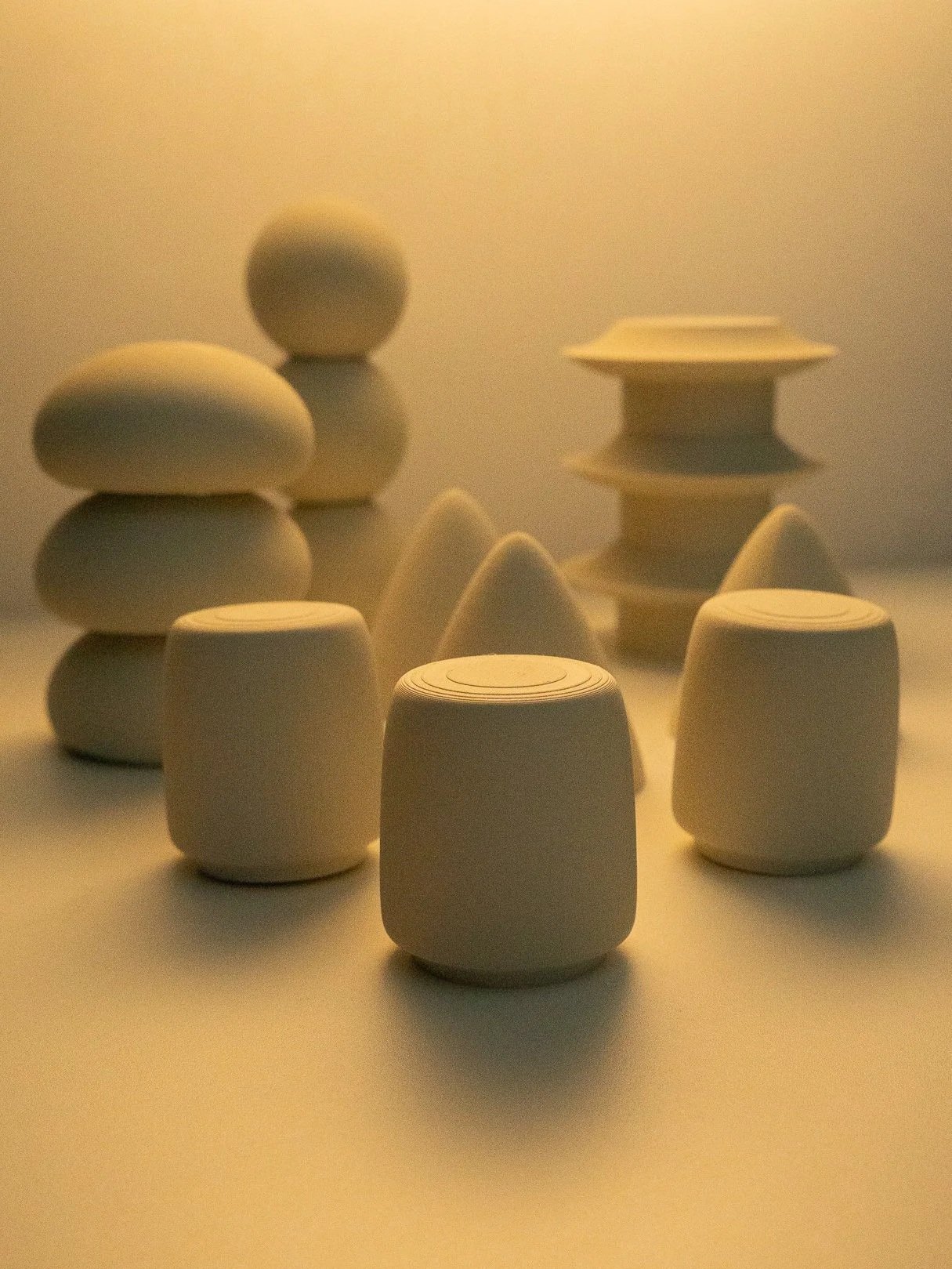
The final concept became a lighting product that could either be brought together as a 90cm tall floor lamp or be dismantled into three separate lights that could be displayed around the environment to where light is necessary.
The first interaction matters.
While my concept solved the paper’s durability issue, I remained aware of its delicate nature. Designing premium packaging not only improved storage and transport but also reflected the product’s quality, ensuring the consumer’s first interaction matched the experience inside.
Final outcome.